Petra Ludwig · 1 October 2026
Tracing Subtle Hue Influences on Small Scale Outdoor Retail Strategies
Small scale outdoor retailers manage product presentations where hue selections intersect with environmental factors such as sunlight intensity and seasonal shifts, and researchers have documented measurable connections between these choices and inventory movement patterns. Data from multiple regional analyses show that adjustments in color saturation on signage, display structures, and accessory groupings correlate with changes in foot traffic duration and purchase frequency at independent garden centers and patio outlets.
Core Elements of Hue Application in Retail Settings
Observers note that hues operate through wavelength interactions with ambient outdoor conditions, where cooler tones reflect more light during midday hours while warmer variants absorb heat and appear more saturated under evening conditions, and studies conducted across North American and European sites confirm these physical properties influence visibility thresholds for passing customers. Retail operators track these effects by monitoring dwell times at specific display zones, with records indicating that shifts as small as five percent in hue value can extend customer interaction periods by measurable intervals when paired with consistent material textures.
Those who analyze point of sale records find that earth derived hues applied to structural elements like shelving frames maintain steadier performance across weather cycles compared to brighter accent colors, which tend to fade faster under ultraviolet exposure and require more frequent replacement cycles according to maintenance logs compiled in Australian retail surveys.
Strategic Adjustments for Inventory Presentation
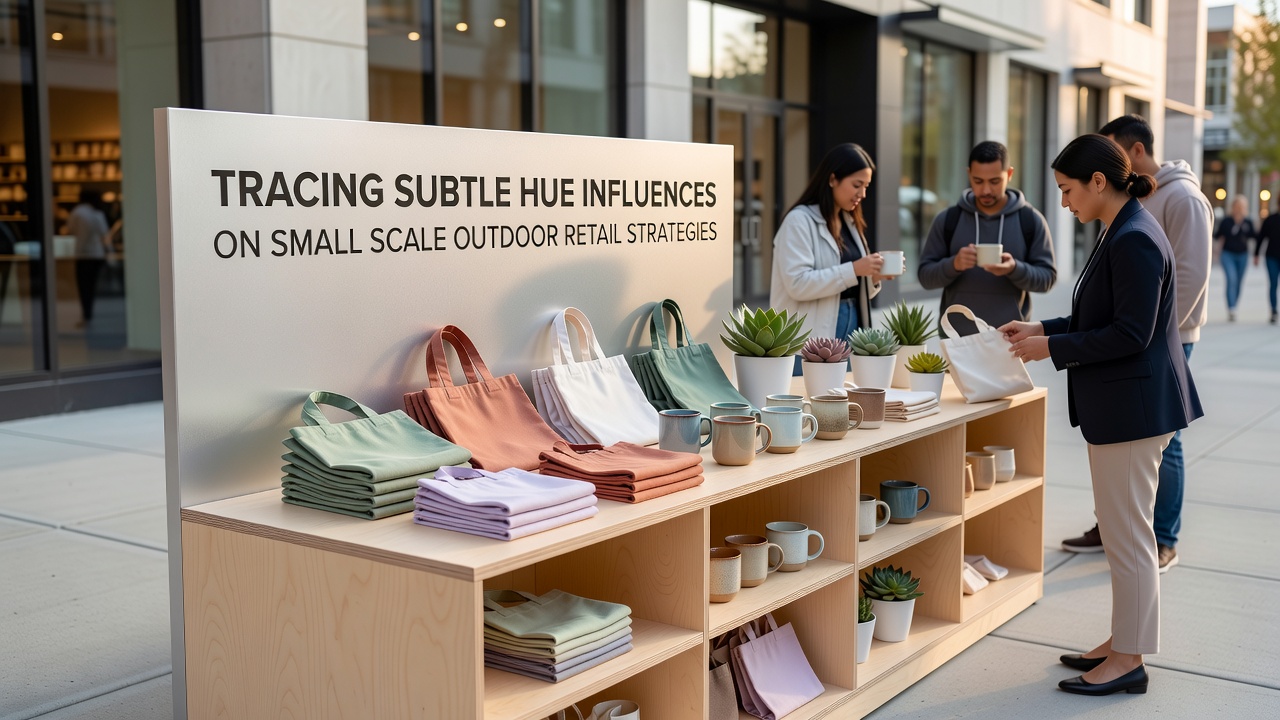
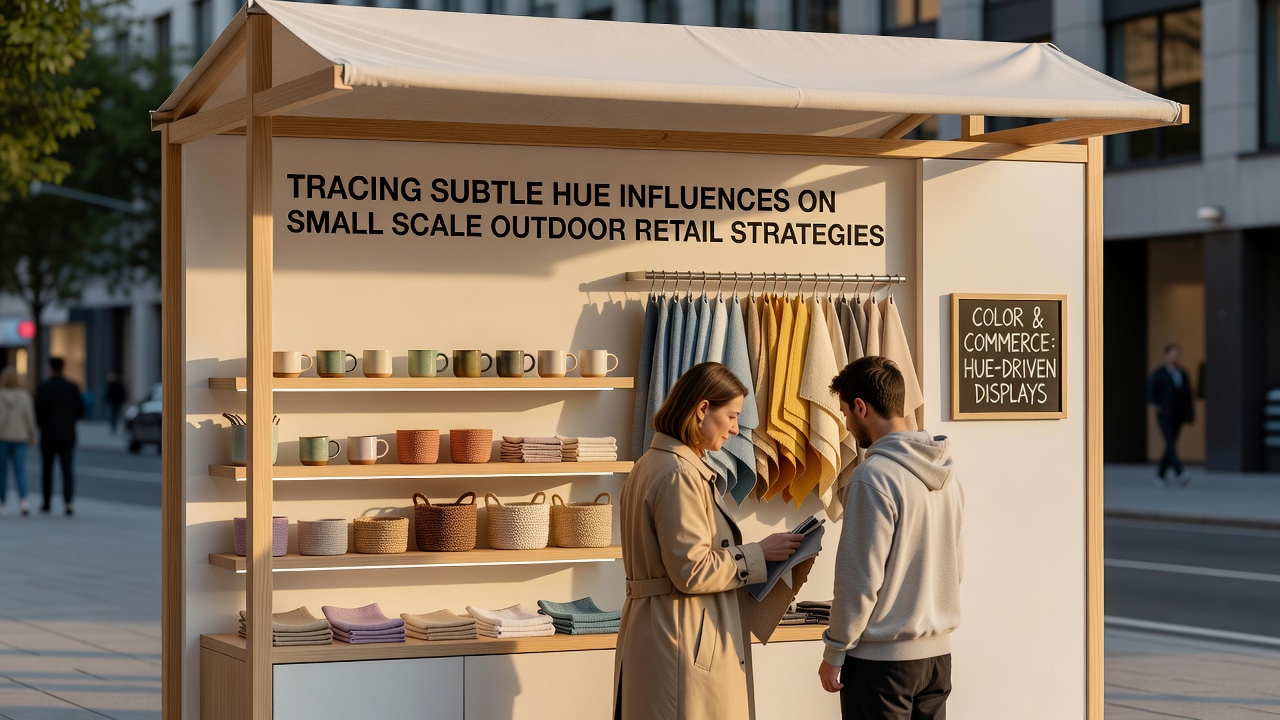
Small retailers often coordinate hue progressions across product categories to guide movement through outdoor spaces, beginning with neutral bases that transition into regionally appropriate seasonal tones, and evidence from trade association reports demonstrates that such sequencing reduces restocking frequency because items remain visually balanced longer. In one documented approach, operators in temperate climates introduce muted greens during spring transitions and gradually incorporate terracotta elements as temperatures rise, with sales tracking systems showing corresponding lifts in accessory bundle completions.
But here's the thing, lighting conditions change rapidly in open air environments, so staff members adjust display angles daily to maintain intended hue perception, and Canadian retail federation data collected over multiple years indicate that sites employing these micro adjustments report lower return rates on color sensitive merchandise. Figures reveal that integration with existing natural surroundings, such as aligning product hues with surrounding foliage, produces more stable customer engagement metrics than isolated color blocks.
Data Patterns Observed Across Regions
Research indicates that hue influence operates differently across latitude bands, with higher contrast needs in northern latitudes during shorter daylight periods, whereas southern operations benefit from lower saturation choices that prevent visual overload. A report from the Australian Bureau of Statistics on seasonal retail performance highlights how operators in coastal zones adapt palettes to account for salt air effects on color retention, resulting in extended display lifespans.
European Union consumer market analyses further document that cross border retailers who standardize hue guidelines across locations achieve more predictable replenishment cycles, while independent sites that experiment locally record higher variance in weekly turnover. In October 2026, updated datasets from these sources are expected to incorporate post summer performance indicators that will allow finer calibration of hue strategies for the following retail quarter.
Implementation Considerations for Limited Scale Operations
Those managing smaller footprints prioritize modular display components that permit quick hue swaps without full inventory disruption, and industry organization findings from the United States Small Business Administration confirm that such flexibility correlates with improved cash flow consistency across fluctuating demand periods. Operators combine digital color matching tools with physical swatch testing to verify real world appearance before committing to bulk purchases of display materials.
What's interesting is how supply chain partners now provide pre coordinated hue sets tailored for outdoor durability, reducing trial and error expenses that previously strained narrow operating margins. Records from multiple independent retailers show that these supplier supported options shorten setup times and decrease the frequency of unsold seasonal stock accumulation.
Conclusion
Tracing subtle hue influences requires ongoing collection of localized performance data combined with awareness of environmental variables that affect color presentation, and available records demonstrate that systematic attention to these factors supports steadier operational outcomes for small scale outdoor retail sites. Continued monitoring through established reporting channels will supply additional reference points as market conditions evolve.