Nils Müller · 12 November 2026
Mapping the Logistics of Niche Patio Furniture Distribution Networks
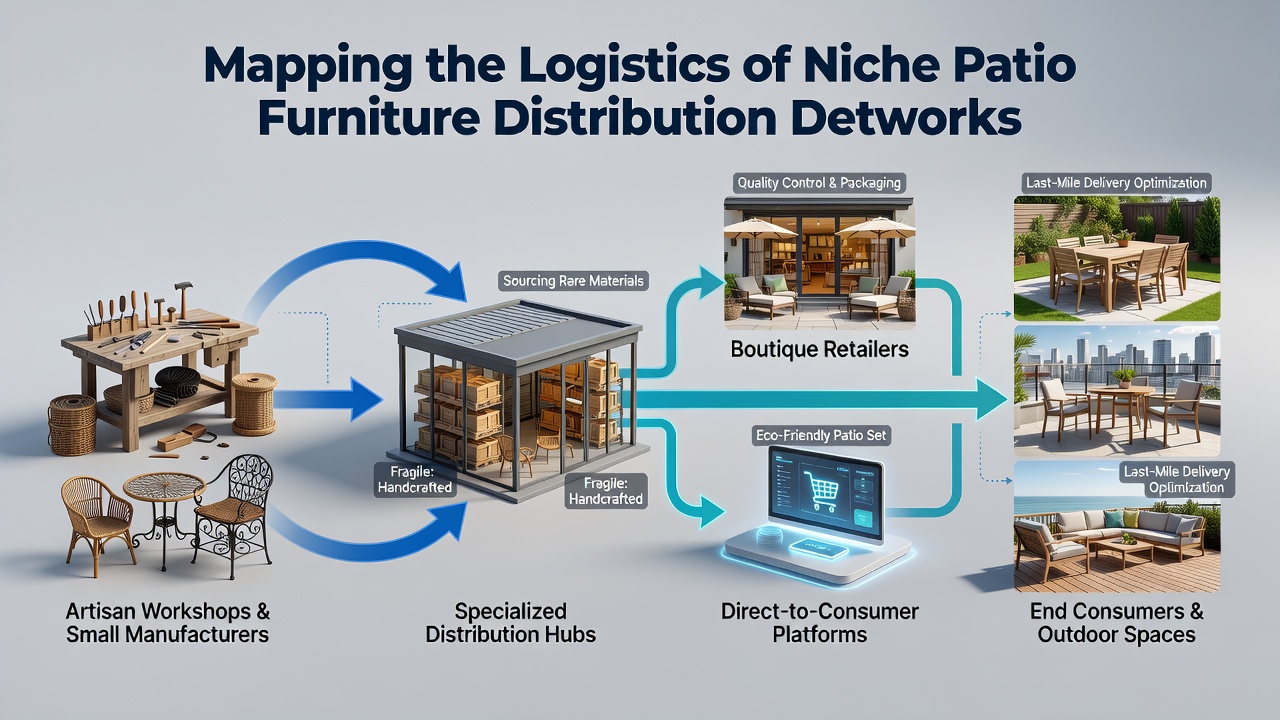
Specialized patio furniture distribution relies on intricate networks that move oversized, weather-resistant items from small manufacturers to targeted retailers and direct customers across varied regions. These systems differ from standard home goods logistics because they handle bulky components like sectional seating, teak tables, and custom rattan sets that require careful climate control and damage prevention during transit. Data from freight tracking services shows that such networks often incorporate multiple handoffs between regional carriers and specialized handlers to maintain product integrity over long distances.
Core Elements of Niche Supply Chains
Manufacturers of distinctive outdoor furnishings typically source materials from specific suppliers before assembling products in facilities located near raw material hubs or port access points. Once complete, items enter distribution pipelines that prioritize route optimization software to account for weight limits and dimensional constraints on trucks and containers. Observers note that companies frequently partner with third-party logistics providers experienced in handling fragile finishes and modular designs that disassemble for more efficient packing.
Transportation modes vary by destination scale. Domestic routes within North America lean on dedicated flatbed and enclosed trailers for oversized loads, while international shipments combine ocean freight with inland rail connections. Research from the US Department of Transportation indicates that freight volume for household goods categories grew steadily through 2025, with projections extending into November 2026 highlighting continued pressure on specialized carriers during peak pre-winter ordering periods when retailers restock for spring displays.
Warehousing and Inventory Strategies
Storage facilities for niche patio lines often feature climate-regulated zones and custom racking systems designed to protect finishes from humidity and UV exposure. Inventory management systems track serial numbers and component kits separately to support made-to-order fulfillment models common in this sector. Studies from logistics research groups reveal that facilities positioned near major population centers reduce last-mile delivery times, particularly for items that customers prefer to inspect before purchase.
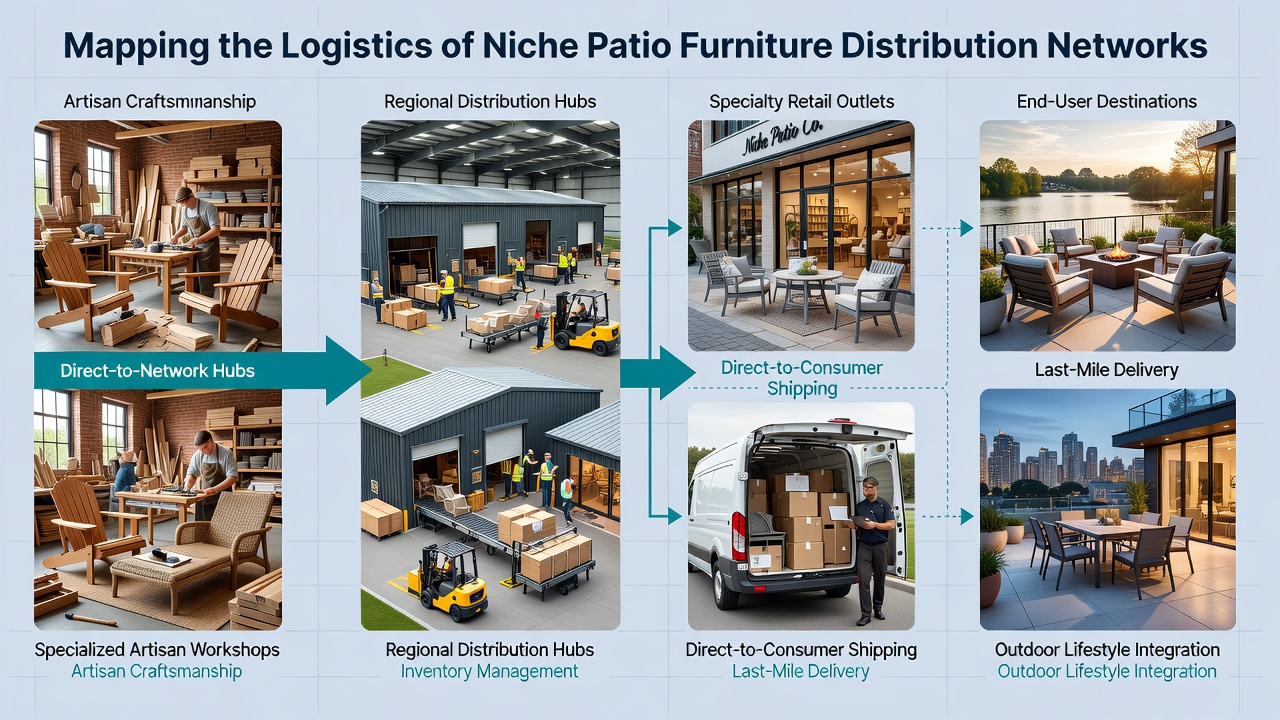
Regional hubs serve as consolidation points where shipments from multiple makers merge for combined deliveries to boutique outlets. This approach cuts costs while allowing smaller producers to reach markets they could not serve independently. Figures from industry reports show that such hub-and-spoke arrangements handle increasing shares of direct-to-consumer orders placed through online platforms.
Technology Integration and Route Mapping
Advanced mapping tools integrate real-time traffic data, weather forecasts, and carrier capacity to adjust schedules dynamically. Software platforms used by distributors calculate fuel efficiency and load balancing for mixed shipments that combine furniture with complementary accessories. Those who study these systems note that GPS-enabled tracking provides customers with precise delivery windows, reducing failed attempts that add expense and delay.
Electronic data interchange connects manufacturers, warehouses, and carriers to maintain visibility across the entire journey. Automated alerts flag potential issues such as port congestion or carrier shortages before they disrupt timelines. Evidence from academic logistics papers demonstrates measurable reductions in transit variability when these technologies operate together.
Regional Variations and Regulatory Factors
Distribution patterns shift according to local regulations on vehicle dimensions and environmental standards. In European markets, stricter emissions rules influence carrier selection and encourage rail alternatives for longer hauls. Canadian trade data compiled by Statistics Canada highlights how cross-border flows of outdoor furnishings respond to seasonal demand spikes and tariff adjustments that affect routing decisions.
Australian networks face unique challenges related to vast distances between population centers, leading distributors to rely on consolidated sea and air options for imported specialty pieces. These adaptations illustrate how geography shapes every layer of the logistics map without altering the fundamental need for careful handling and timing coordination.
Conclusion
Effective mapping of niche patio furniture distribution networks depends on coordinated use of specialized transport, strategic warehousing, and digital oversight that together ensure products reach end users intact and on schedule. Patterns observed through 2026 continue to emphasize adaptability in response to seasonal cycles and infrastructure constraints across different continents.