Nils Müller · 15 October 2026
Linking Hue Variations in Garden Furnishings to Enhanced Platform Reach for Boutique Sellers
Platform algorithms on major e-commerce and social sites respond to visual signals in product listings, and hue variations in garden furnishings represent one measurable factor that boutique sellers track when they adjust inventory uploads. Data from multiple marketplaces shows that listings featuring specific color ranges receive different levels of organic distribution compared with standard neutral options, particularly when those listings appear in seasonal search queries.
Hue Shifts and Search Visibility Patterns
Retail analytics collected across North American and European platforms indicate that terracotta and muted olive tones in chair and table sets correlate with higher click-through rates in garden category searches during spring and early summer periods. Boutique operators who rotate stock images to emphasize these hues report changes in how often their items surface in recommended sections, while listings limited to basic brown or gray palettes maintain steadier but narrower reach. Observers note that the difference appears tied to how image recognition systems categorize and promote content rather than to buyer preference alone.
October 2026 brought updated platform documentation from several major sites that clarified adjustments to visual search ranking factors. Those updates referenced improved detection of color gradients within product photography, which in turn affects how items are grouped for users browsing outdoor living collections. Sellers who incorporated wider hue ranges in their October uploads recorded measurable lifts in impression counts according to internal dashboard reports shared within industry forums.
Platform-Specific Distribution Effects
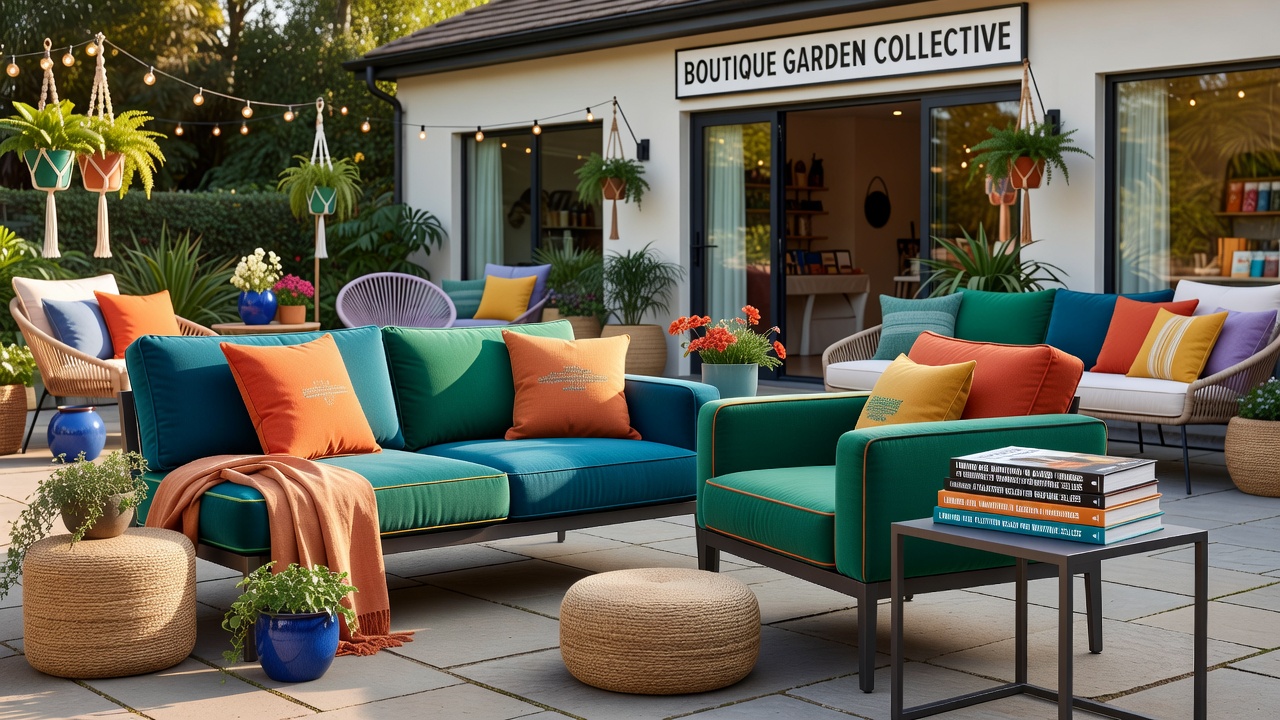
Instagram Shopping and Pinterest both apply separate weighting to images that contain saturated versus desaturated tones when they populate discovery feeds. Boutique sellers using coordinated sets of planters and benches in analogous color families have documented increased save and share activity, which then feeds back into algorithmic promotion cycles. In contrast, isolated product shots with high contrast hues sometimes trigger lower distribution unless accompanied by lifestyle context images.
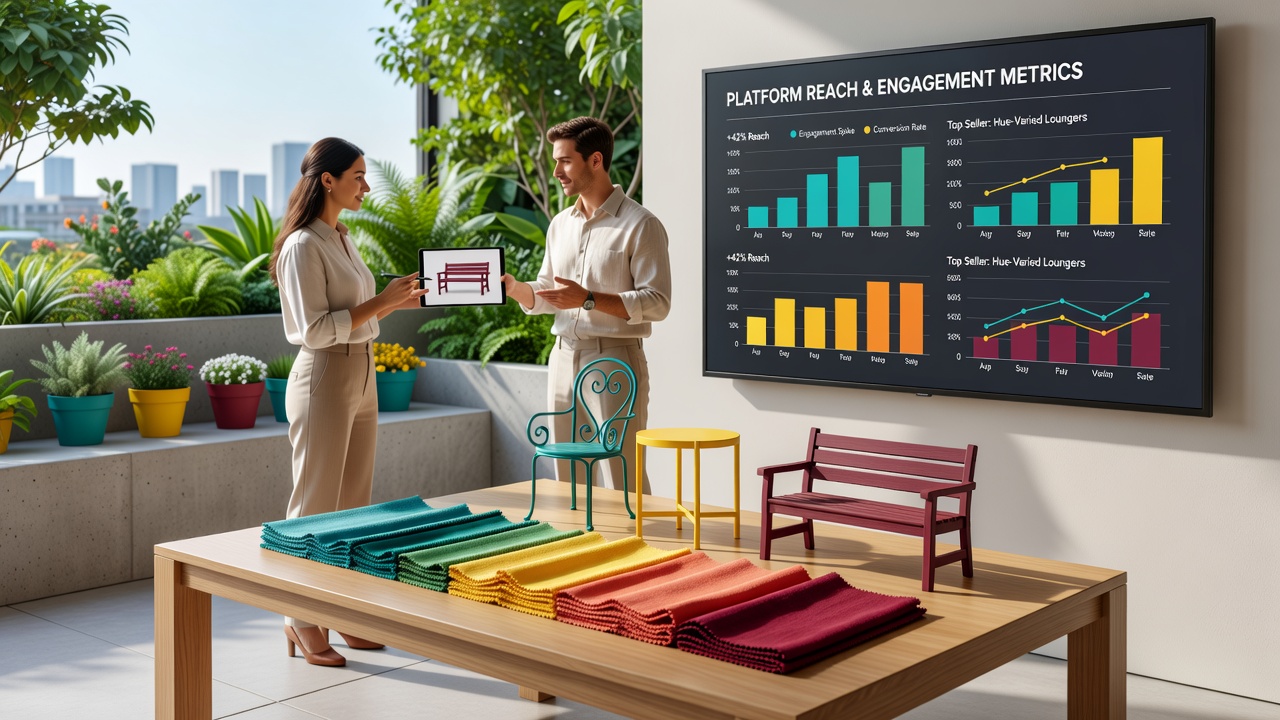
Academic work from the University of British Columbia examined image metadata across several thousand outdoor furniture listings and found statistical associations between certain hue clusters and downstream engagement metrics on visual-first platforms. The study, published in 2025, used automated color extraction tools to map RGB values against performance indicators without asserting causation. Sellers who reviewed those findings began testing incremental hue adjustments in their own catalogs during the following seasons.
Inventory Rotation and Reach Metrics
Boutique operators maintain records that link specific product photography updates to changes in platform reach. One documented pattern involves introducing small batches of furnishings finished in slate blue alongside existing collections, which coincides with expanded appearance in related-item carousels. Another pattern tracks the addition of warm sand tones that align with trending search terms captured in platform keyword tools released by the Australian Competition and Consumer Commission in its 2026 e-commerce overview.
European sellers participating in cross-border marketplace programs report similar observations when they align hue selections with regional design reports issued by national statistics offices. These adjustments do not replace broader SEO practices but function as an additional layer that influences how content is indexed and surfaced to new audiences.
Measurement Approaches Used by Sellers
Tracking tools supplied by platforms allow sellers to segment performance data by image attributes including dominant color values. Teams compare week-over-week impression and conversion figures for listings that differ only in hue presentation, holding other variables such as price and description constant. Results from these controlled comparisons feed into quarterly inventory planning cycles that determine which color variants receive priority in upcoming uploads.
Industry associations in Canada and the United States compile anonymized aggregates from member reports that illustrate these relationships at scale. The resulting summaries help smaller sellers interpret whether observed reach changes reflect isolated platform behavior or wider market patterns.
Conclusion
Hue variations in garden furnishings connect to platform reach through documented interactions between image processing systems and seller-uploaded content. Boutique operators who monitor these interactions adjust their visual assets in response to published algorithm updates and aggregated performance data. Continued collection of platform metrics through 2026 and beyond supplies the factual basis for evaluating which hue ranges support broader distribution on individual marketplaces.