Nils Müller · 12 November 2026
Exploring Color Palette Adaptations in Digital Branding for Niche Outdoor Retail Ventures
Retail ventures specializing in niche outdoor equipment have shifted focus toward systematic color palette adjustments within digital platforms since the mid-2020s, and data from multiple industry tracking services shows measurable changes in how these businesses present visual identities online. Researchers at several universities have documented that small-scale sellers now test color variations across websites, email campaigns, and social channels to align with seasonal inventory cycles and regional customer preferences. This approach differs from earlier static branding methods because it incorporates real-time analytics on engagement metrics rather than relying solely on initial design choices.
Core Elements of Palette Adaptation Processes
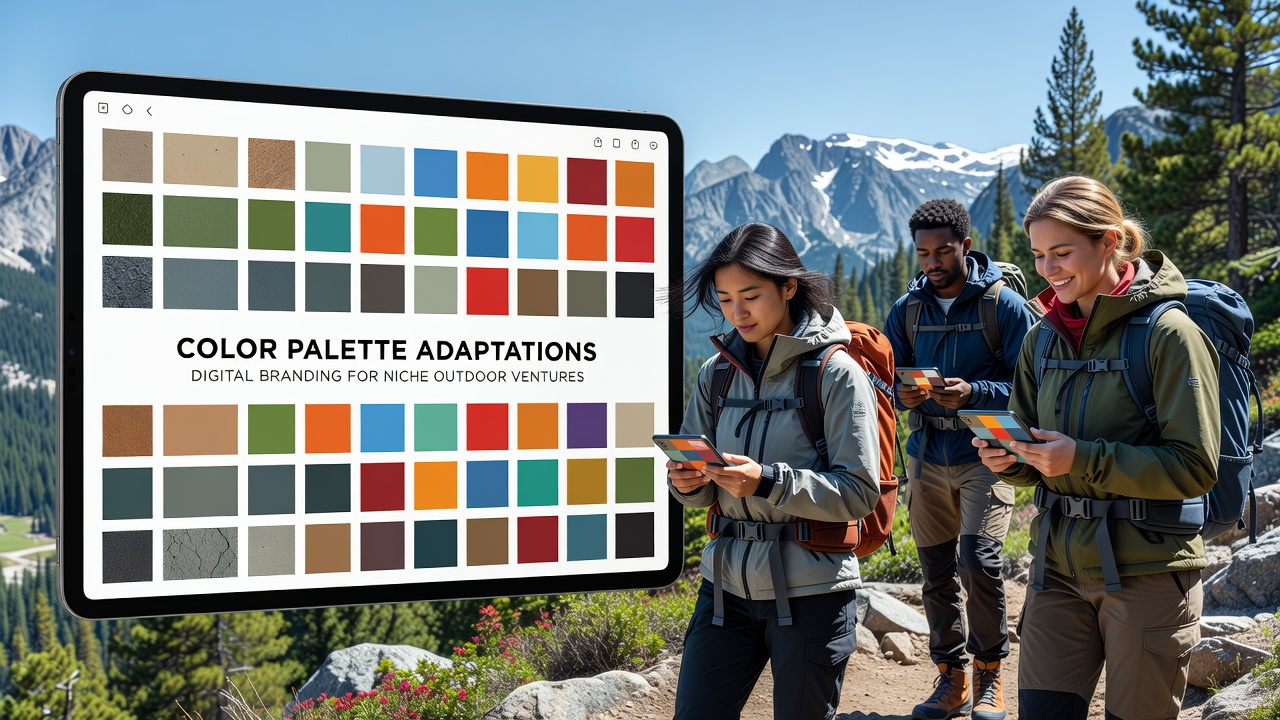
Adaptation begins with analysis of primary product colors drawn from actual outdoor gear such as hiking apparel, camping textiles, and climbing hardware, after which digital teams map complementary shades that maintain visibility on screens of varying resolutions. Studies conducted by academic groups in North America and Europe indicate that palettes incorporating earth tones alongside high-contrast accents improve click-through rates on product pages by noticeable margins compared to monochromatic schemes. Observers note that the process often includes A/B testing cycles where one version uses cooler blues and greens while another emphasizes warmer oranges and browns, allowing data collection on dwell time and conversion patterns.
Software tools for color extraction from product photography play a central role, and teams integrate these outputs with platform-specific guidelines from major e-commerce hosts. Figures released by Statistics Canada in late 2025 revealed that independent retailers using automated palette generators reported faster update cycles during inventory refreshes. Those same reports highlight that adaptation frequency increased ahead of peak sales periods, including preparations observed in November 2026 for winter equipment launches.
Implementation Across Digital Channels
Website redesigns represent one primary application area where palette shifts occur at the header, navigation, and product grid levels, while social media posts receive parallel updates through scheduled content calendars. Industry reports from the Australian Bureau of Statistics document how boutique outdoor sellers coordinate these changes to create cohesive visual flows between owned sites and third-party marketplaces. Email marketing sequences further extend the strategy by embedding adapted color blocks that match the live site appearance, thereby reinforcing recognition when subscribers move between touchpoints.

Case examples drawn from Canadian and Scandinavian retail operations illustrate the workflow in practice, with one documented instance showing a seller transitioning from muted greens to saturated teals after reviewing heat-map data on landing pages. Another venture adjusted accent colors for social stories to better match user-generated content featuring local terrain, resulting in higher save rates according to platform analytics shared in trade publications. These adjustments occur without altering core brand marks, preserving recognition while refreshing supporting visuals.
Data Sources Informing Palette Decisions
Analytics platforms supply quantitative inputs such as bounce rates segmented by color temperature and geographic performance indicators that guide subsequent iterations. A 2025 research paper from the University of Melbourne examined correlations between palette diversity and repeat visit frequency among smaller outdoor retailers, finding positive associations in markets with strong seasonal fluctuations. Government statistical releases from the European Union statistical office further indicate that digital branding updates correlate with inventory turnover improvements when palettes reflect regional flora and landscape characteristics.
Integration with customer feedback loops adds qualitative layers, where survey responses about visual appeal feed into refinement rounds conducted quarterly. Those managing multiple storefronts often maintain shared style guides that evolve through these combined inputs, ensuring consistency across international audiences while permitting localized variations.
Conclusion
Color palette adaptations have become a documented component of digital operations for niche outdoor retail businesses, supported by analytics, academic research, and statistical agencies across several regions. The patterns observed through 2026 demonstrate ongoing refinement tied to platform capabilities and seasonal demands rather than fixed aesthetic preferences. Continued monitoring of engagement data allows these ventures to maintain visual relevance without major structural overhauls.